


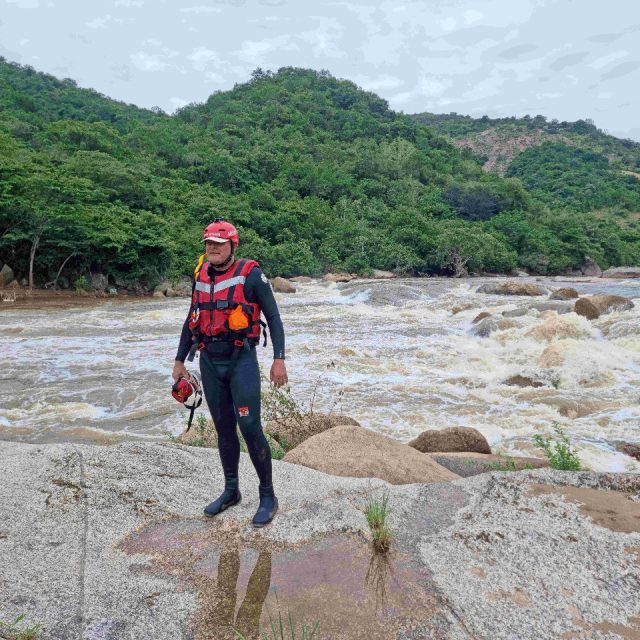
Living in our beautiful town, I am grateful for the luxury of being able to walk to the beach and enjoy the water. During school holidays and warm weekends, it’s wonderful to watch locals and visitors have fun in our glistening ocean. However, there are many risks when entering our waters. I spoke with the IPSS Search and Rescue team about the importance of water safety and the life-saving potential of simple training.
It’s alarming to know that we experience one life-threatening water-related incident every week. IPSS Search and Rescue, a division of IPSS Medical, is dedicated to saving lives in our town. They offer CPR courses to empower the public with life-saving skills, and, in a coastal town like ours, understanding water safety is crucial, as seemingly fun beach activities can turn dangerous.
Swimming where lifeguards are present is always the safest choice. Ballito has trained professionals who patrol certain beaches, but accidents can still happen when swimmers venture out of sight or when lifeguards are off duty.
Rip currents pose a common danger. These are powerful currents flowing away from the shore that can pull swimmers out to sea, increasing the risk of drowning. It’s important to recognise signs indicating rip currents and know how to respond. If caught in one, staying calm, swimming parallel to the shore, and then returning to the beach is advised. IPSS Search and Rescue also handles incidents in pools, rivers and dams, where dangers can lurk beneath the water’s surface.
Having knowledge of CPR and first aid is extremely valuable in these threatening situations. The IPSS Search and Rescue team shared a story about a local surfer, aged 55, who fell unconscious after a freak accident in the waves. Fortunately, his friend noticed the danger and pulled him out of the water. A bystander who knew CPR started performing compressions until the rescue team arrived. Those critical minutes of a stranger’s help saved the surfer’s life.
In case of an emergency, calmly calling for help should be your first step. IPSS Search and Rescue is available 24/7 and will respond to all calls. There are Pink Rescue Buoys placed at strategic places along the coastline. These buoys are part of a NSRI drowning prevention initiative and used in the event someone gets into difficulty. The idea is for a strong swimmer to bring the floatation device to someone in need, maintaining positive bouancy and keeping them afloat while rescuers are on their way. This reduces the risk of drowning. If there is no flotation device available, keeping a close eye on the person and providing guidance to rescuers upon their arrival is important.
Always remember that water safety is a shared responsibility. Whether you are a visitor or a local, it’s crucial to prioritise your well-being by remaining vigilant, informed, and following the instructions provided by lifeguards and signage. Additionally, staying hydrated, applying sunscreen, and respecting the power and unpredictability of the ocean are essential practices to ensure a safe experience.
IPSS Search and Rescue offers various courses to ensure that everyone has the opportunity to learn or refresh their knowledge and skills. Get in contact with them to book essential courses such as basic first aid level 1, primary first aid level 2, advanced first aid level 3, basic fire fighting, and heart saver first aid, among many others.
STAY SAFE
• Swim within designated areas.
• Ensure there are lifeguards.
• DO NOT go swimming alone.
• DO NOT drink (alcohol) before entering the water.
• Familiarise yourself with beach safety signs.
• Check the ocean tides before entering the water.
• Keep your eye on your kids.
DO’S AND DON’TS DURING A WATER EMERGENCY
Do:
- Call for help promptly – don’t delay until it’s too late.
- Stay calm when reporting the incident.
- Provide accurate location details (road names, landmarks, beach names, etc.).
- Save IPSS Search and Rescue as an emergency contact: 0823 911 911
- Provide your name and number to the rescue team on the phone, in case of connection loss or running out of airtime.
Don’t:
- Exaggerate the situation when speaking on the phone.
- Depend on social media or WhatsApp groups for assistance.
- Leave the scene before the rescue team arrives.
Words by Kai Coates


