Winter Without Weight Gain
 by
Jacqueline Herbst
· · 4 min read
by
Jacqueline Herbst
· · 4 min read

Dietitian in private practice, Kerryn Wuth, says winter doesn’t have to mean unwanted weight gain. With a bit of planning and structure, it can be a season of nourishment rather than overindulgence.
One of the biggest winter pitfalls is unstructured eating. When we spend more time indoors, grazing becomes easy, and meal routines slip, allowing boredom and comfort eating to set in. Wuth advises maintaining your normal meal and snack times. Eat according to the clock rather than appetite alone and avoid mindless nibbling. She also cautions against stocking the pantry with excessive processed foods “just in case”. A well-planned two-week supply of balanced staples is more than adequate. The key is not how much food is in the house, but the type of food.
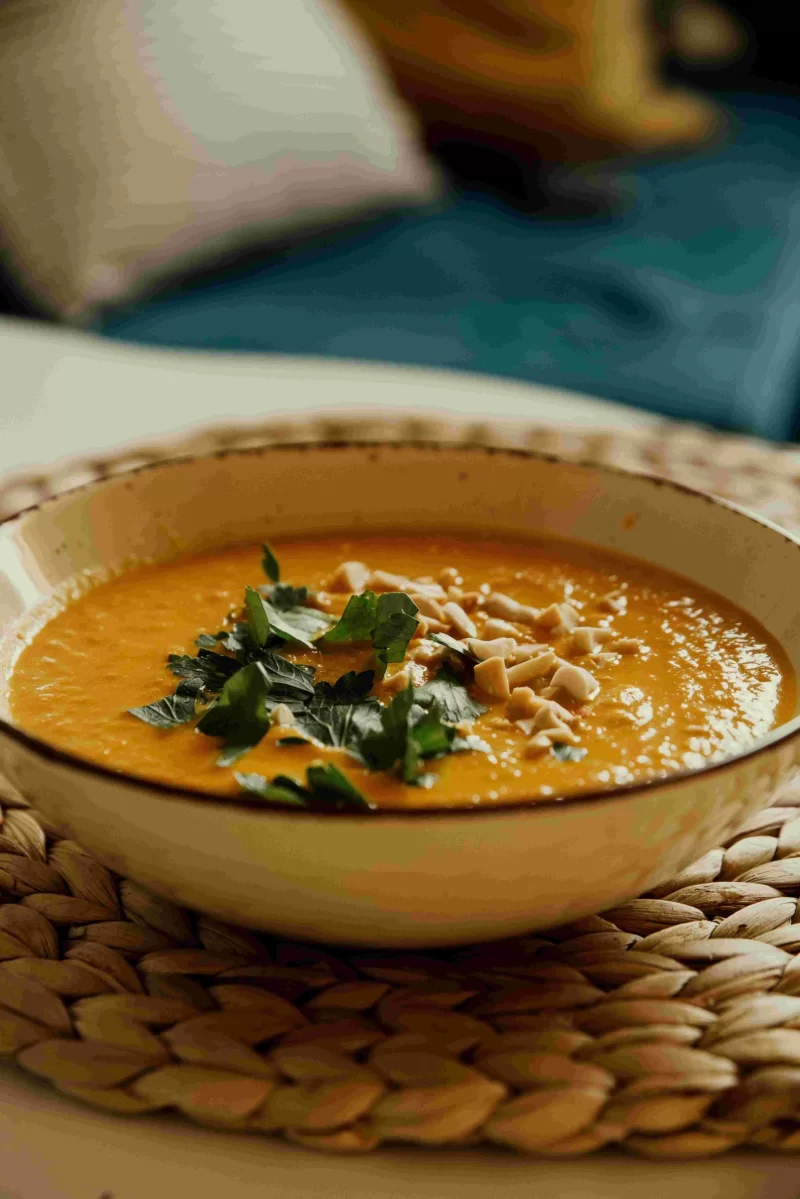
Winter is traditionally cold and flu season, making immune support essential. The foundation, she stresses, is a nutritionally adequate, balanced diet, not supplements alone. Base meals around plants wherever possible. Plants include vegetables, fruits and wholegrains. These provide fibre, antioxidants, phytochemicals, compounds and essential vitamins that support good gut health and immune function.
Smart winter strategies include:
- cooking vegetable-based soups, stews and casseroles in bulk and freezing individual portions
- freezing fresh fruit such as berries, mangoes, or bananas for smoothies, oats, or desserts
- choosing longer-lasting produce like oranges, apples, carrots, butternut, cabbage, onions and sweet potatoes
- opting for frozen vegetables rather than canned varieties where possible
- making your own pickles with vinegar to control salt and sugar content
Winter comfort doesn’t have to mean refined carbohydrates. Keep dry staples on hand that provide sustained energy and fibre, such as brown rice, lentils, legumes, barley, quinoa, oats and buckwheat. Wholegrain flours can be used to bake breads at home (a satisfying winter activity), but refined, bleached white flours should be avoided. Adding psyllium husk to baking can boost fibre content. Try milling rolled oats to make a versatile oat flour. Nuts and seeds are another valuable addition. They have a long shelf life and provide zinc, selenium and magnesium; key nutrients involved in immune and antioxidant function. Use them as snacks or add to salads, oats and yoghurt.
Protein supports immune cell function and helps maintain muscle mass when activity levels drop. Good winter protein choices include meat, chicken, fish, eggs, cultured dairy or soya milk, cottage cheese, tofu, tempeh, edamame beans, nut butters, tinned fish in brine, and lean biltong. Trim visible fat from red meat and remove the skin from chicken before cooking. Bulk up stews and curries with legumes and vegetables rather than relying on fatty cuts or cream-based sauces.
Small adjustments make a significant difference over a three- to four-month season.
For breakfast:
- Cook six tablespoons of rolled oats in 200ml of fat-free milk for a warm, filling start. Top with low-fat Greek yoghurt, chia seeds and some fresh or dried fruit.
For lunch:
- Prepare homemade vegetable soups in bulk. Add cottage cheese for protein, and pair with a slice of wholegrain or rye bread; otherwise, include barley or lentils. Avoid cream and excess oil.
For dinner:
- Braise meat separately first to remove excess fat, then add to stews. Use vegetables generously to bulk up sauces, and replace cream with low-fat evaporated milk.
For warm drinks:
- Make hot chocolate with plain cocoa powder, a small amount of sugar and fat-free milk rather than opting for commercial powdered drinks. Choose filter coffee over cappuccinos, lattes and flat whites.
For movie nights:
- Freshly popped popcorn (not microwave bags) makes a far better choice than chips or chocolate. Skip the butter and keep seasoning simple.

According to Wuth, the biggest contributors to winter weight gain are convenience foods. Try to minimise:
- microwave meals
- convenience foods
- take aways
- rich, creamy dishes
- packet sauces
- processed meats such as sausages, polony and nuggets
- boxed cereals that are high in sugar
- packaged snacks like biscuits, chips and crackers
- foods high in preservatives, colourants and flavour enhancers
While food choices play a major role in maintaining body composition, movement still matters. Even if outdoor exercise decreases, short workouts at home, walks between rain showers or simple strength routines can help preserve muscle mass and regulate appetite.
Winter naturally draws us indoors, but it doesn’t have to undo months of healthy habits. With structured meals, whole foods, lean protein and mindful comfort swaps, it’s entirely possible to move through the colder months without the annual “undo” in spring.
As Wuth emphasises, the goal isn’t restriction, it’s preparation and planning ahead. A little planning now can ensure that when summer returns, your health hasn’t gone into hibernation.
Enjoyed this? See more from The Ballito Magazine in your Google results.

Written by
Jacqueline Herbst
Jacqui brings a style of storytelling that informs and engages readers.
READ MORE

A Midlands Stay
by Accacia Foggin · October 4, 2026

Red is Her Colour
by The Ballito Writer · August 6, 2026

Kung Thai Restaurant
by Lorinda Scott · June 5, 2026