More Than Honey
 by
Jacqueline Herbst
· · Updated · 4 min read
by
Jacqueline Herbst
· · Updated · 4 min read

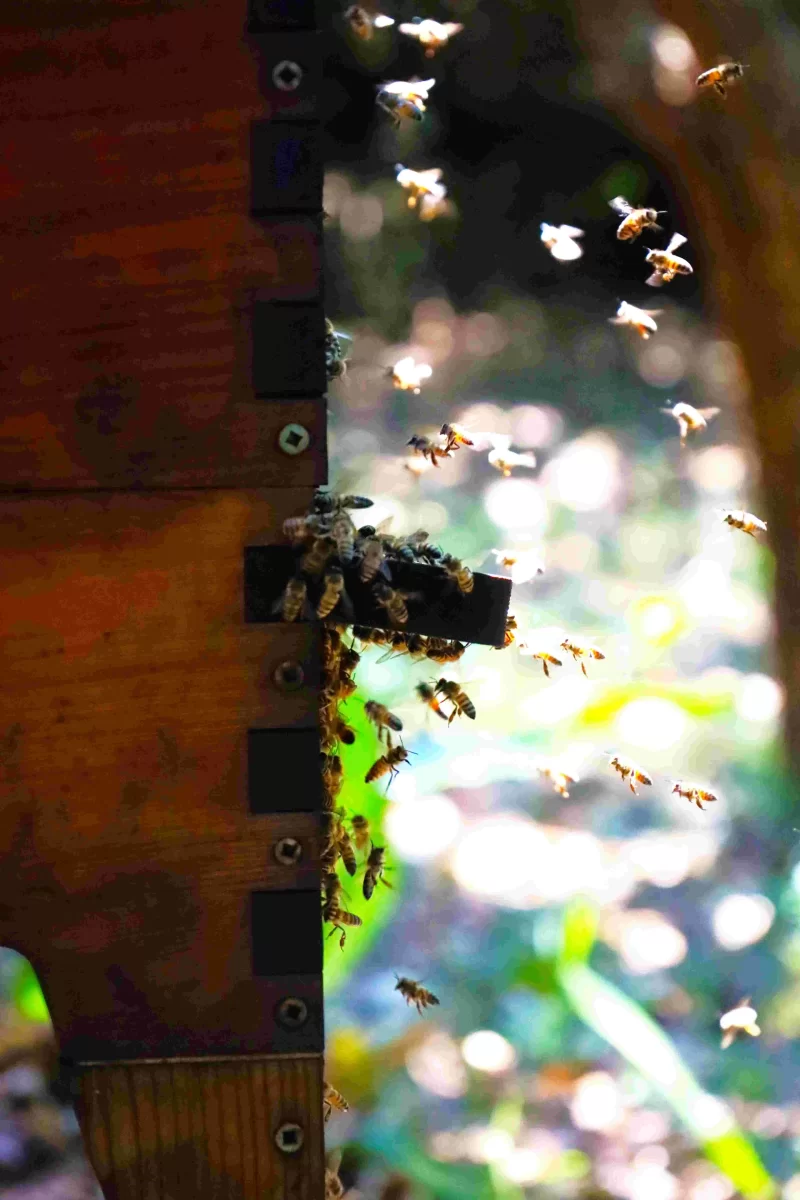
Beekeeping on the North Coast may be less concentrated than in established honey regions such as the Midlands, but its contribution to the local economy and agricultural systems through pollination is significant. At a provincial level, networks such as the KZN Bee Farmers Association provide training and connect beekeepers to commercial opportunities. Yet, beekeeping is not just about harvesting honey or commercial gain.
Those golden jars may be the visible reward, but they are only part of a broader ecological and social story. To view beekeeping purely as food production is to overlook its true scale.
Local hobbyist beekeeper, Mark Smith, offered insight into the often-overlooked intricacies of this absorbing pastime and what aspiring apiarists should know before diving in. A long-time conservation enthusiast, Mark says he can sit outside watching his bees for hours as they reveal a world of complex organisation. Colonies function as a single organism with clearly defined roles. The queen reproduces and releases pheromones that maintain order, while male drones exist solely to mate. The majority of labour falls to female worker bees, who rotate duties as they age, cleaning cells, nursing larvae, building comb, processing honey, and regulating temperature. Some guard the entrance or remove debris, while older workers forage for nectar, pollen, water, and resin, the colony’s most dangerous task, but a lifeline.
Mark finds their work ethic remarkable and says honey is a reward rather than the main attraction. His interest began about nine years ago when he encountered a crowdfunding initiative for the Flow Hive, designed to harvest honey with minimal disruption. Today, he uses both conventional hives and Flow Hives, slightly favouring the latter despite their cost. This expense reinforces his view that hobby beekeeping is seldom financially viable as a business and better pursued as a passion.
Responsible beekeeping is essential for protecting people and pollinators. Regular inspections allow keepers to monitor food stores, disease, pests such as Varroa mites, structural damage, and overcrowding. Removing debris, repairing equipment and creating ventilation protects brood development and limits pathogens. Neglect can weaken colonies, trigger premature swarming or collapse, and reduce pollination and honey output. Stressed colonies may also become more defensive, increasing the likelihood of stings.
Prospective keepers should confirm animal or nuisance regulations and zoning requirements for hive placement, like relevant permissions or registrations, particularly in residential areas. Addressing common fears about aggression, Mark notes he has only been stung when disturbing a hive or accidentally placing his hand on a bee. Mowing lawns or turning soil can trigger defensive behaviour, so he positions his hives in a secluded garden area resembling a natural forest.
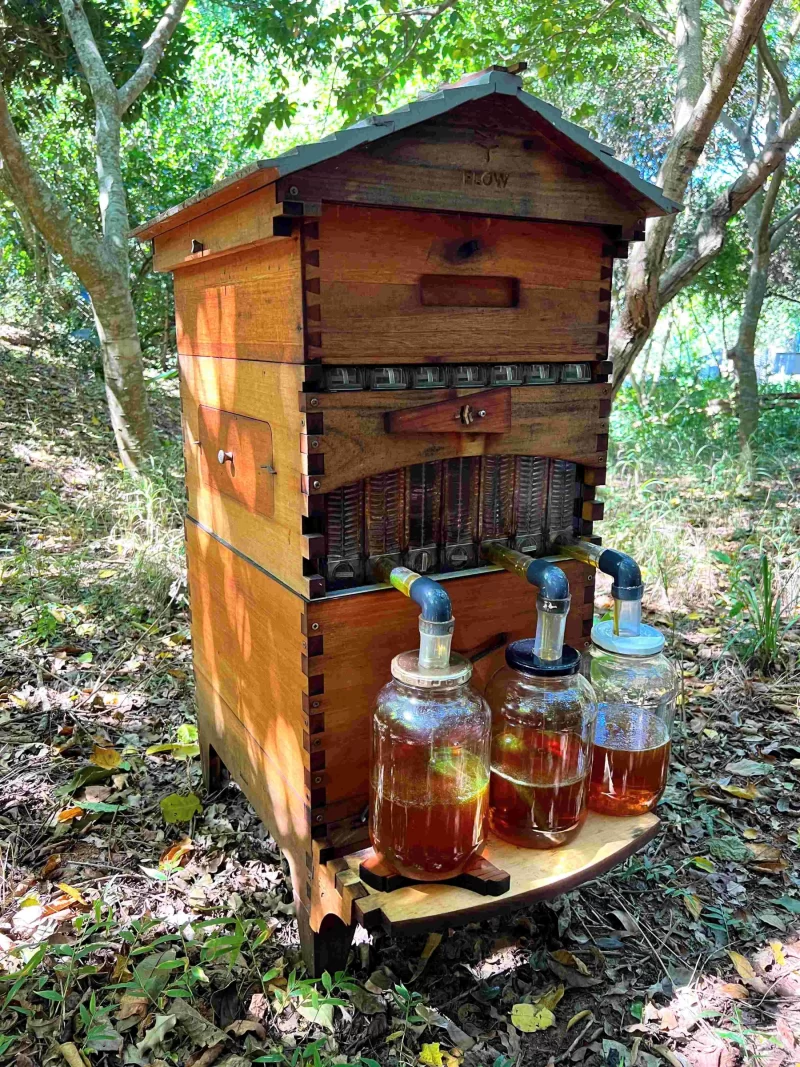
Floral sources influence honey’s flavour and colour. Along the North Coast, bees commonly forage on buffalo thorn, silver-leaf, invasive Brazilian pepper trees and winter aloes. Sugar cane is another source, producing darker, more malty honey that some consider an acquired taste.
Excessive hive density can strain local forage resources, causing colonies to relocate. Intentionally relocating hives is more complex than it appears. Foragers develop a strong spatial memory of their hive using the sun, landmarks and other cues. Move a hive a short distance, and many bees return to the original site and are lost. Beekeepers therefore follow the “three-foot or three-mile” rule, shifting hives only slightly for bees to reset their internal map.
Beekeeping is also seasonal. Winter typically brings reduced forage, and Mark strongly advises leaving sufficient honey in the hive so colonies can sustain themselves through lean months. Ultimately, keeping bees is less about the harvest than the relationship with the bees, observing, learning and playing a small part in sustaining the landscape that sustains us.
Written by
Jacqueline Herbst
Jacqui brings a style of storytelling that informs and engages readers.
READ MORE
A Midlands Stay
by Accacia Foggin · October 4, 2026
Red is Her Colour
by The Ballito Writer · August 6, 2026

Kung Thai Restaurant
by Lorinda Scott · June 5, 2026