The Art of Seeing
by The Ballito Writer · · Updated · 3 min read

One of the greatest privileges of my work is watching people connect. Sometimes it is with an artist, sometimes with an artwork, and sometimes with a part of themselves they did not expect to encounter. I often find myself observing the way people stand before a painting, how they pause, lean closer, and become curious about the mark-making, the colours, the textures and even the imperfections.
It often makes me wonder: what would happen if we extended the same tenderness to the people around us? In many ways, people are like artworks. When we stand before a painting, we look beyond the surface. We consider the artist’s intention, the context in which the work was created, and the story that shaped it. We understand that every brushstroke, every pencil line and even every area left untouched contributes to the whole. We rarely assume that these elements appeared by accident. Instead, we trust that they have meaning. Yet when it comes to people, we are often far less generous.
We live in a world that encourages quick judgements and easy labels. We see scars and call them flaws, notice differences and treat them as shortcomings, encounter unfinished parts of a person’s story and assume we understand the whole picture. But what if we looked differently?
What if every scar was seen as evidence of resilience? What if every imperfection revealed individuality rather than deficiency? What if the things that make us different were recognised as the very qualities that give us value?
After all, the most memorable artworks are rarely the perfect ones. They are the works that carry a story. They surprise us with unexpected colours, unconventional perspectives and marks that speak of struggle, experimentation, growth and courage.
In an art gallery, we are invited to pause, spend time with what is in front of us, and remain curious rather than certain. The artwork does not answer back, so taking the time to observe feels easy. People, however, are different. They can see us looking, and hear our judgements. Often, our own fear of being judged prevents us from extending the curiosity and care required to truly understand another person.
Perhaps that is one of art’s greatest lessons. Not how to look at paintings, but how to look at one another. To hold space for imperfections. To recognise that every mark tells part of a story. To understand that what appears unfinished may simply be a beautiful space for becoming.
And to remember that every person we meet is a work in progress, carrying a history, a purpose, and a story still being painted.
Words by: Sarah O’Reilly
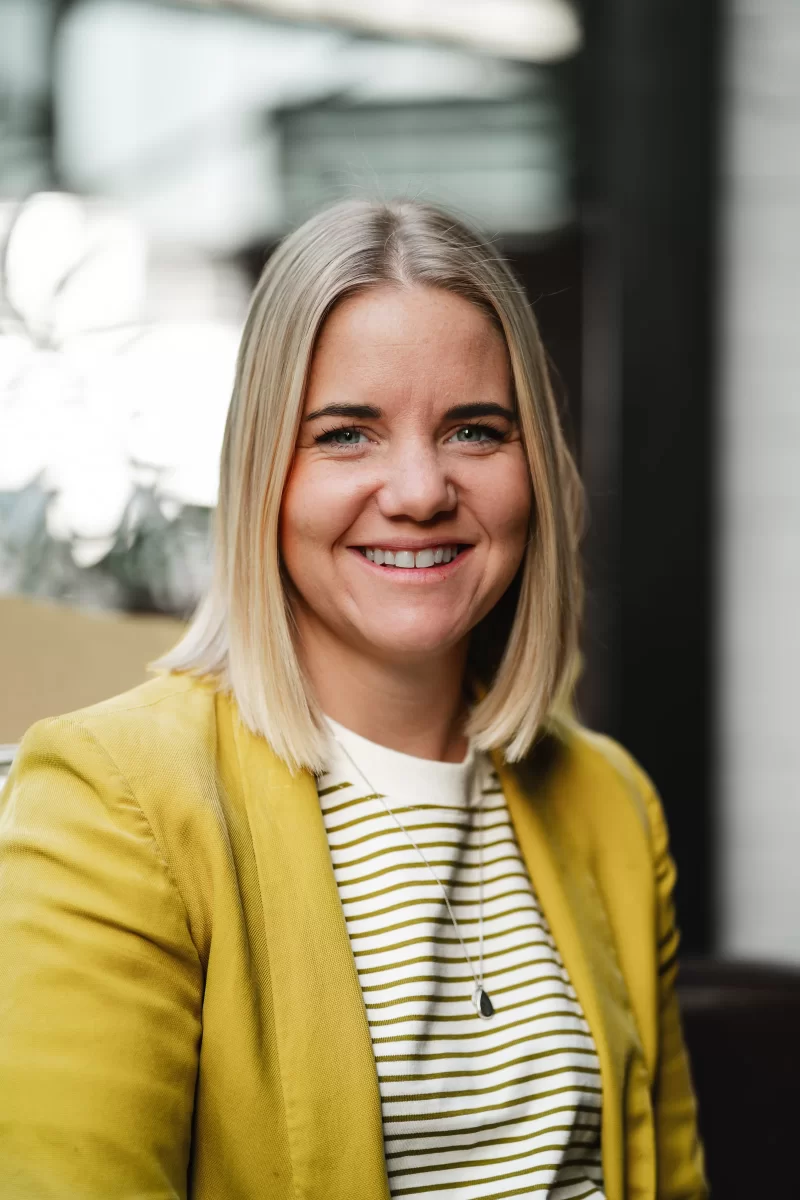
SARAH is a wife, mum of two, and the curator and manager of The Gallery at Lifestyle Centre. She curates exhibitions and creates opportunities for meaningful connections between art, artists and the community.
Contact Details: sarah@thegalleryballito.co.za
READ MORE

Fighting for More Than Titles
by Jacqueline Herbst · September 7, 2026
Breaking Ground - Kubashni Nagapah
by Jacqueline Herbst · August 21, 2026
Breaking Ground - Ntombehle Dlamini
by Jacqueline Herbst · August 21, 2026